BACK TO ALL NEWS AND INSIGHTS

Cameron Milne
The UK shipping sector remains vitally important in 2025. In this article we cover some of the key events that have taken place in 2025 that have impacted the shipping industry.
International Relations
In May, UK Prime Minister Sir Keir Starmer announced that a UK-EU deal had been reached to “reset” relations between the UK and the EU following Brexit.
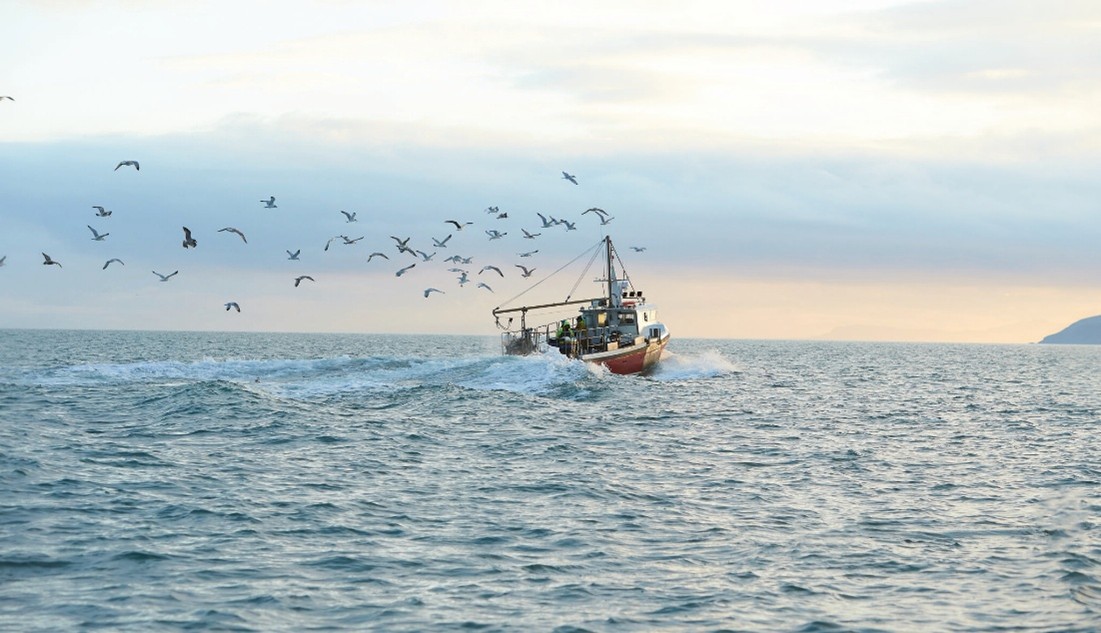
There are various aspects to the deal including in relation to security and defence and the movement of people (including British holidaymakers’ access to eGates and negotiations on youth movement between the UK and EU). Perhaps most controversially however are the parts relating to fishing rights and a new sanitary and phytosanitary (SPS) deal. The SPS deal suggests, amongst other things, that there will be reduced red tape to import and export food and drink between the UK and the EU. What some viewed as the cost of that deal though was that it was agreed by the UK to allow long-term access to UK waters for EU vessels for fishing.
These matters first came under scrutiny during negotiation of the UK-EU Trade and Cooperation Agreement 2020 (TCA). Under the TCA (which was due to expire in 2026), EU vessels were allowed access to UK waters to fish in return for transferring 25% of their fishing quota (the amount they are allowed to catch) to the UK fishing fleet. The deal announced retained the 25% quota transfer but extended access for EU vessels to UK waters until 2038. This is a significant departure from what the UK fishing industry was anticipating from 2026, being annual negotiations that would have potentially allowed the leverage of more fish from the EU back to the UK. The UK Government argued there would be no increase in the amount that EU vessels can catch in UK waters, and year-on-year negotiation would have meant there was no stability for anyone. The UK Government also said that the deal benefits shellfish producers who were previously not allowed to transport produce to the EU unless it had already been treated in purification plants.
Immigration
Immigration continues to be a discussion point within the shipping industry. The industry is well known for its reliance on non-UK crew, both within and outside the UK territorial waters. Following immigration rule changes that have been implemented in recent years, it has become harder to legally employ crew on UK vessels who are not UK citizens.
For those seafarers who work outside the 12-mile UK territorial waters, the process for entering the country is by way of a Transit Visa, a restrictive visa which permits crew to enter the country wholly on the basis that they shall immediately board a vessel that shall leave UK territorial waters within a short period following boarding.
Although this visa is a necessary lifeline for the industry, it is a far from perfect solution. The industry has seen Border Force taking a more active role in reviewing crew permits, which can result in crew being repatriated, and heavy fines for vessel owners. If seafarers are to be working at any point during their contract within the 12-mile limit, they must have the relevant “right to work” consents for the UK. The only current visa option that is suited to seafarers is the Skilled Worker Visa. With strict conditions applying including minimum salary thresholds and a B1 English language requirement (with proposals to increase this to B2 requirement in the near future). It is accepted throughout the industry that government and the industry as a whole need to work together to overcome this hurdle and protect the sector from a depleting workforce due to unrealistic salary and visa expectations.
Incidents
In March a container ship known as “Solong” and an oil tanker known as “Stenna” collided in the North Sea. The collision resulted in a fire, spilled aviation fuel, and the death of one crew member from the Solong. Further, the collision resulted in significant operational disruption, highlighting vulnerabilities in navigational safety and vessel-traffic management. Although the incident caused only localised environmental and structural damage, it prompted temporary port closures, rerouting of nearby traffic, and delays across associated supply chains. The event underscored the importance of safety protocols, improved communication systems, and enhanced crew training, contributing to renewed industry pressure for regulatory reviews and upgrades to prevent similar occurrences in the future.
Investment and Growth
In a landmark £10 billion defence deal, Norway selected the UK’s Type 26 anti-submarine frigates, agreeing to purchase at least five warships to be built in Glasgow. The deal hopes to provide a major boost to the UK’s defence-shipbuilding sector, safeguarding around 4,000 jobs nationwide, with over 2,000 roles in Glasgow alone. The deal also aims to deepen cooperation between the UK and Norway.
The UK government has also scaled up its commitment to decarbonising the maritime sector through major public investment in clean shipping technologies. As part of its Maritime Decarbonisation Strategy, the UK aims to put £448 million into the Shipping Office for Reducing Emissions over the next five years, supporting research and innovation in zero- or low-emission fuels. In addition, a further £30 million has been awarded through the Clean Maritime Demonstration Competition to back green fuel projects, electric charging infrastructure, and wind-assisted propulsion systems. These investments form part of a broader public‐private package to green the UK’s ports and vessel fleet.
In more local matters, in July, Aberdeen hosted “The Tall Ships Races” event which saw nearly half a million people attend the city event, with an economic benefit stated at more than £30m. Due to the success of the event, Aberdeen are set to bid to race the event again as early as 2030.
It would be fair to say that the shipping industry has, again, dealt with its fair share of challenges over the last year. Mackinnons continue to be heavily involved in supporting clients through these challenges, providing pragmatic, sector-focused advice. Mackinnons remain committed to helping the industry and look forward to working closely with our clients as we head into 2026.